 |
Systematic, step-by-step guidance for adult beginners and late-starters. Learn the Way of the Sword with 45+ years of traditional experience. |
- Home
- Level 2: Build Strong Kendo Basics
LEVEL 2: BUILD STRONG KENDO BASICS
Already training at a dojo? Use this Level 2 roadmap to review the fundamentals between classes. Your instructor’s corrections take priority, especially for partner practice and readiness for bōgu.
New to this roadmap? Start with etiquette and manners, then follow the full solo-training sequence below. Still exploring kendo or looking for a dojo? Begin with Level 1 — Start Kendo.
Choose Today’s Review
Returning after practice? Open the topic connected to the correction your sensei gave you.
- Posture and stance: natural posture · chudan
- Movement: footwork
- Sword movement: suburi
- Basic strikes: men · kote · dō
- Coordination: kote-men · haya suburi
- Supervised practice: partner-training sequence
These shortcuts help you find a lesson; they do not replace the training order your instructor sets. Watch the introduction or continue to the full plan below.
Your Level 2 Kendo Training Roadmap
The Beginner Training Plan
Two Phases
- Tandoku Dōsa (Training Alone): 3 days/week × 4 months (about 48 days)
- Sōtai Dōsa (Pair Training): 3 days/week × 2 months (about 24 days). Gradually put on armour (bōgu).
Beginner training usually lasts about six months, although the schedule varies by dojo. These foundational phases shape everything that follows.
Adult beginners benefit from taking time here. A strong foundation makes later training safer, clearer, and easier to refine.
Tandoku Dōsa (Training Alone)
First of all, beginners learn the basic movements without a partner. This includes:
- Reigi-Saho: etiquette/manners
- Shizentai: Shizentai is a posture we all have to learn at the beginning.
- Taito: to wear your sword
- How to Sit in Seiza
- Chudan: how to take chudan, how to put your sword back
- Footwork: suri ashi, okuri ashi, hiraki ashi, ayumi ashi, tsugi ashi
- Suburi: joge buri, naname (sayu) joge buri
- Men Uchi: san-kyodo, ni-kyodo, ikkyodo
- Kote Uchi: san-kyodo, ni-kyodo, ikkyodo
- Do Uchi: san-kyodo, ni-kyodo, ikkyodo (only the right do strike)
- Ni Dan Uchi: zenshin kotai shomen uchi, niho zenshin niho kotai shomen uchi,kote-and-men, kote-and-do
- Sayu Men Uchi
- Fumikomi: Learning Fumikomi for the First Time
- Chohyaku Shomen Uchi (a.k.a. Haya Suburi)
This tandoku dōsa was practised 3 days/week × 4 months (about 48 days). The longer, the better.
Sōtai Dōsa (Pair Training)
Once beginners have learned the tandoku dōsa, they learn pair training.
- Changing Directions
- Shomen Uchi
- Kote Uchi
- Do Uchi
- Ni Dan Uchi: kote-and-men, kote-and-do, men-taiatari, men-taiatari-men, men-taiatari-kote, men-taiatari-do
- Uchikomi Kirikaeshi
- Uchikomi Geiko
- Kakari Geiko
I think 6 months of basic training is a good start. In the old days, beginners apparently spent a year or more learning the basics.
Let’s make the basics interesting, so beginners enjoy learning them and improve more quickly in the future.
After Practice: Choose One Thing to Improve
- Write down one correction from your sensei.
- Find the matching lesson in this roadmap.
- Review what you can safely practice alone; leave partner work for supervised practice.
- Take one question back to your next class.
Bookmark this page and return to the solo-training sequence whenever you need to review. Progress depends on the quality of your fundamentals, not simply finishing a list or reaching a date.
Already established in bōgu and preparing for 1–3 dan? Explore Level 3 — Improve with Purpose, while continuing to refine these basics with your instructor.
All Tandoku Dōsa Lessons Are in This Book
Kendo Guide for Beginners—Available on Amazon
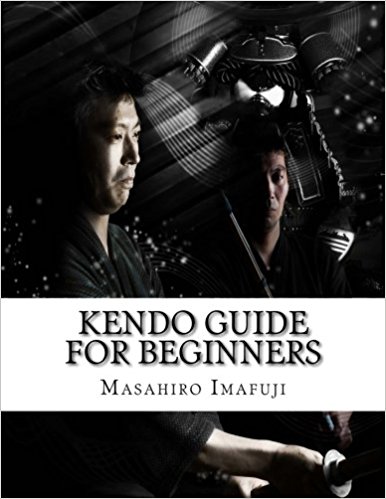
A Kendo instruction book written by a Japanese author for non-Japanese speakers who are enthusiastic about learning kendo.
All the basic instructions on this site are in this book, along with
- New and Better Photos (taken for this book!) and
- Newly Edited Contents
- Corresponding Videos
Kindle version is available too. Click here to learn more about the book.
Go to "Bases del Kendo" (Spanish)