 |
Systematic, step-by-step guidance for adult beginners and late-starters. Learn the Way of the Sword with 45+ years of traditional experience. |
A Call from the Netherlands: Visiting Washinkan in Tilburg
Keeping a Promise
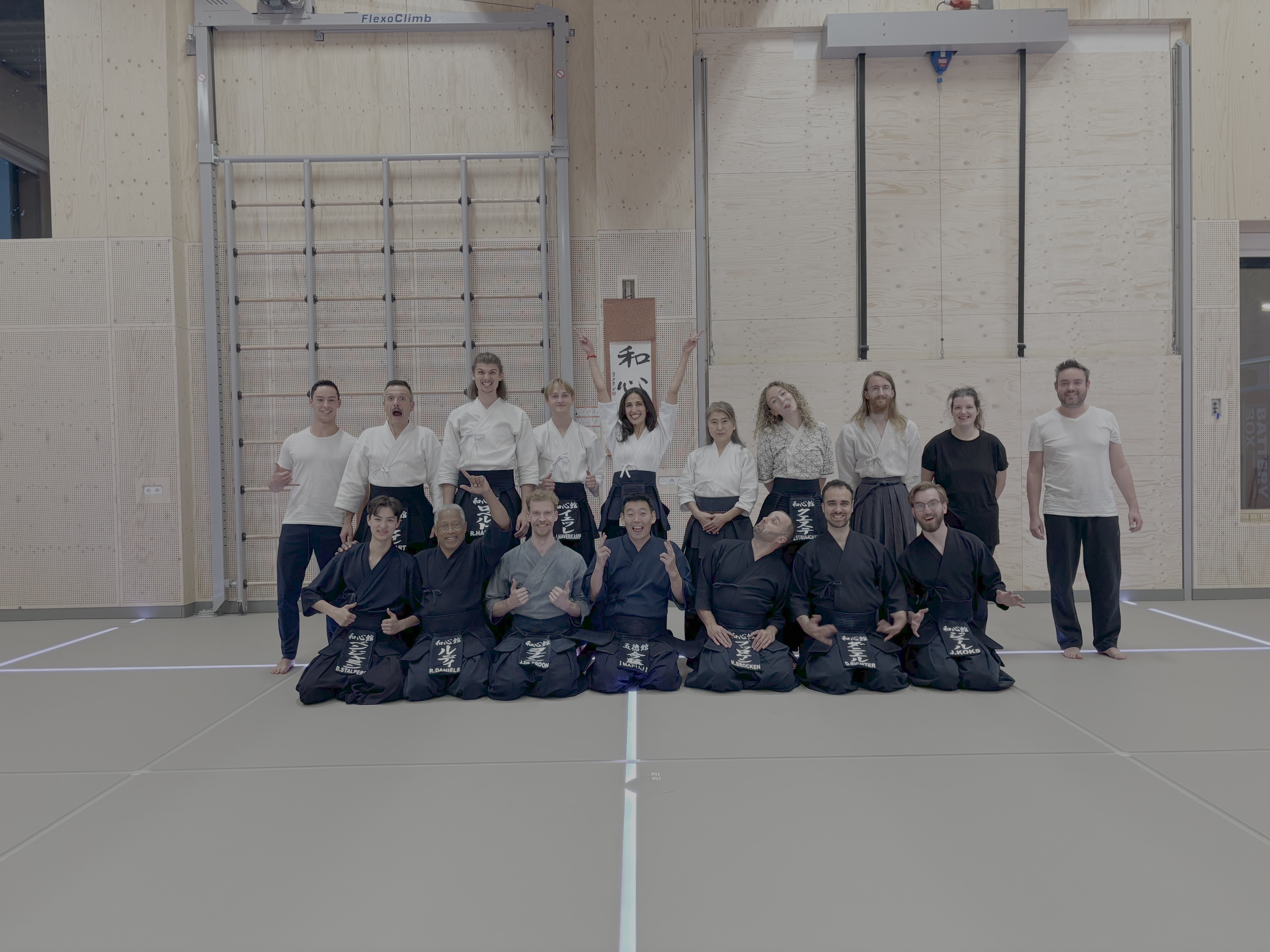
After the wonderful experiences at the 35th Kodokan International Kendo Seminar, I flew to the Netherlands to fulfil a long-standing promise to Jonathan de Croon. We first met in Fukushima, Japan, in 2018, before COVID. I was in Japan with my students when my Kiwi brother, Alex Bennett, invited me to Samurai Spirit Tourism. That’s where I met Jonathan. If I remember correctly, he was studying at International Budo University (IBU) at the time.
After I came back to the U.S. and he wrapped up at IBU and returned to the Netherlands, we kept in touch on Messenger. He sent me his shiai and keiko clips, and I’d watch them and send simple, honest feedback. After a lot of back and forth, I came to the point where I thought it would make sense to visit him. So, I promised I’d visit and share whatever I could in person.
This was my first visit to continental Europe, so I was excited. Like in England, the Netherlands is full of history—you can feel it everywhere. I could almost imagine horse-drawn carriages going up and down the streets. Maybe that’s a bit much, but you get the idea—I was excited. 😊
Tilburg: The Wool City with Modern Energy
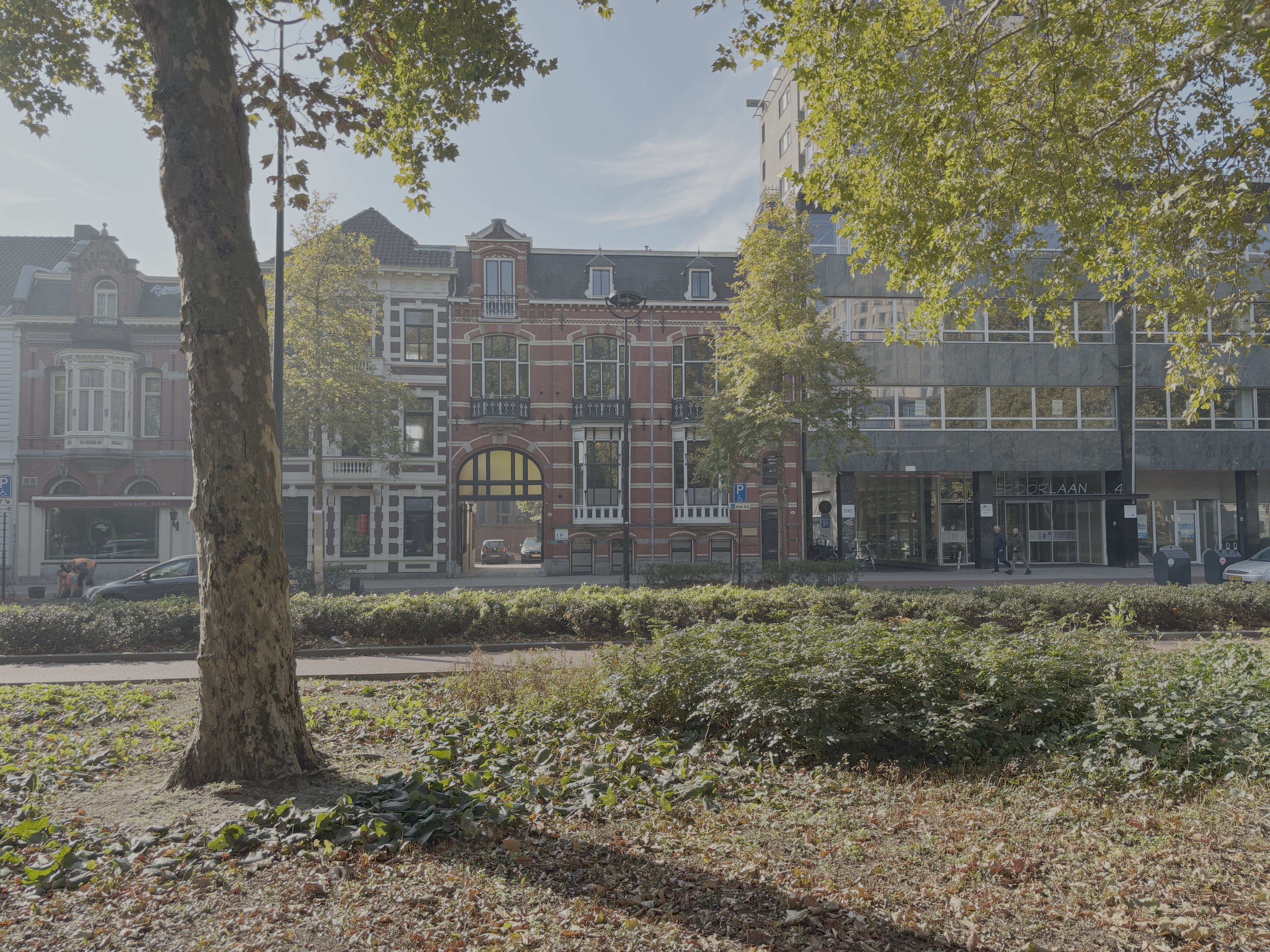 These are business buildings including restaurants! Maybe normal to you but it is not to me!
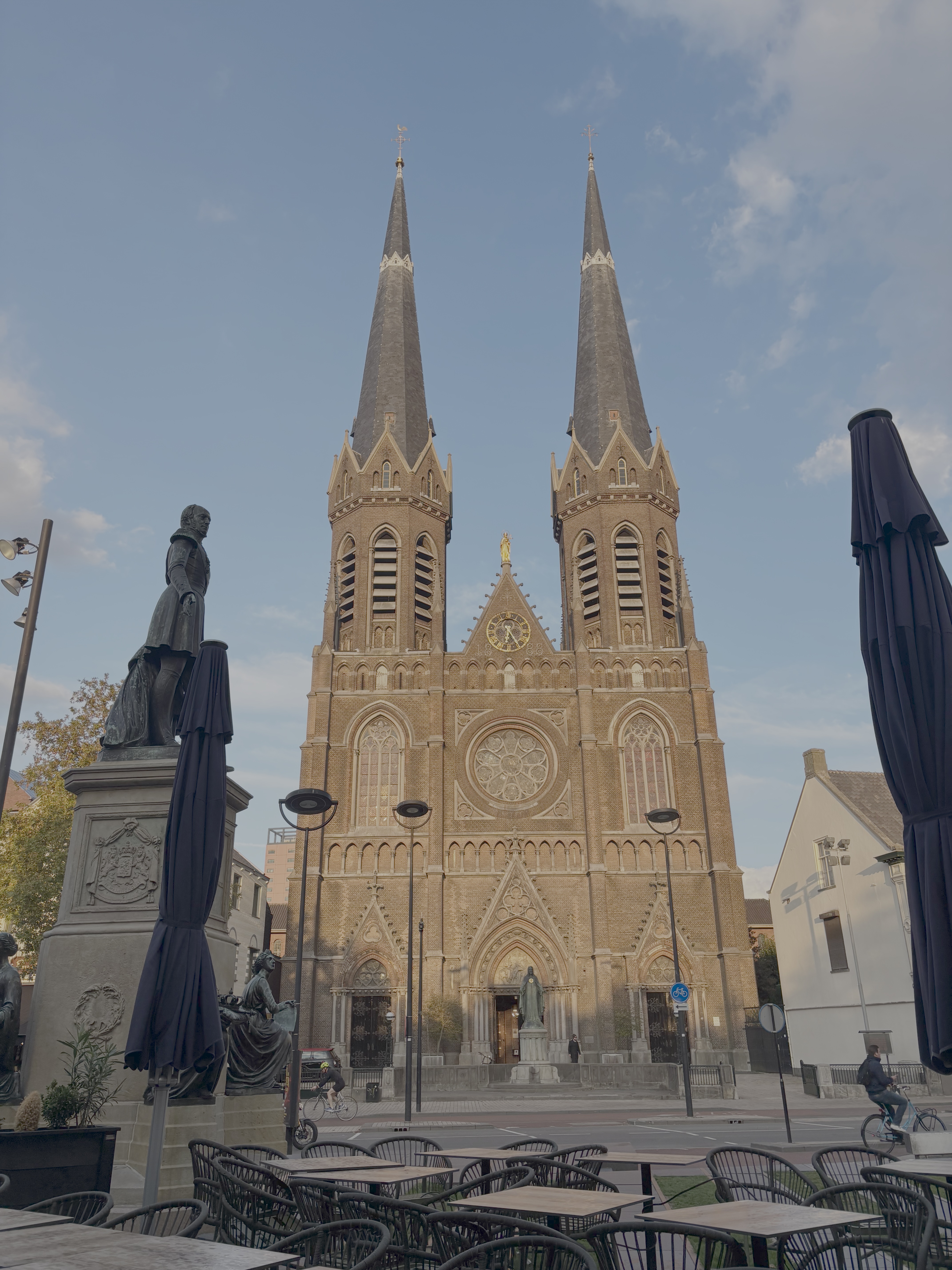 Saint Joseph Church, a Catholic parish serving Tilburg and Goirle in the Netherlands
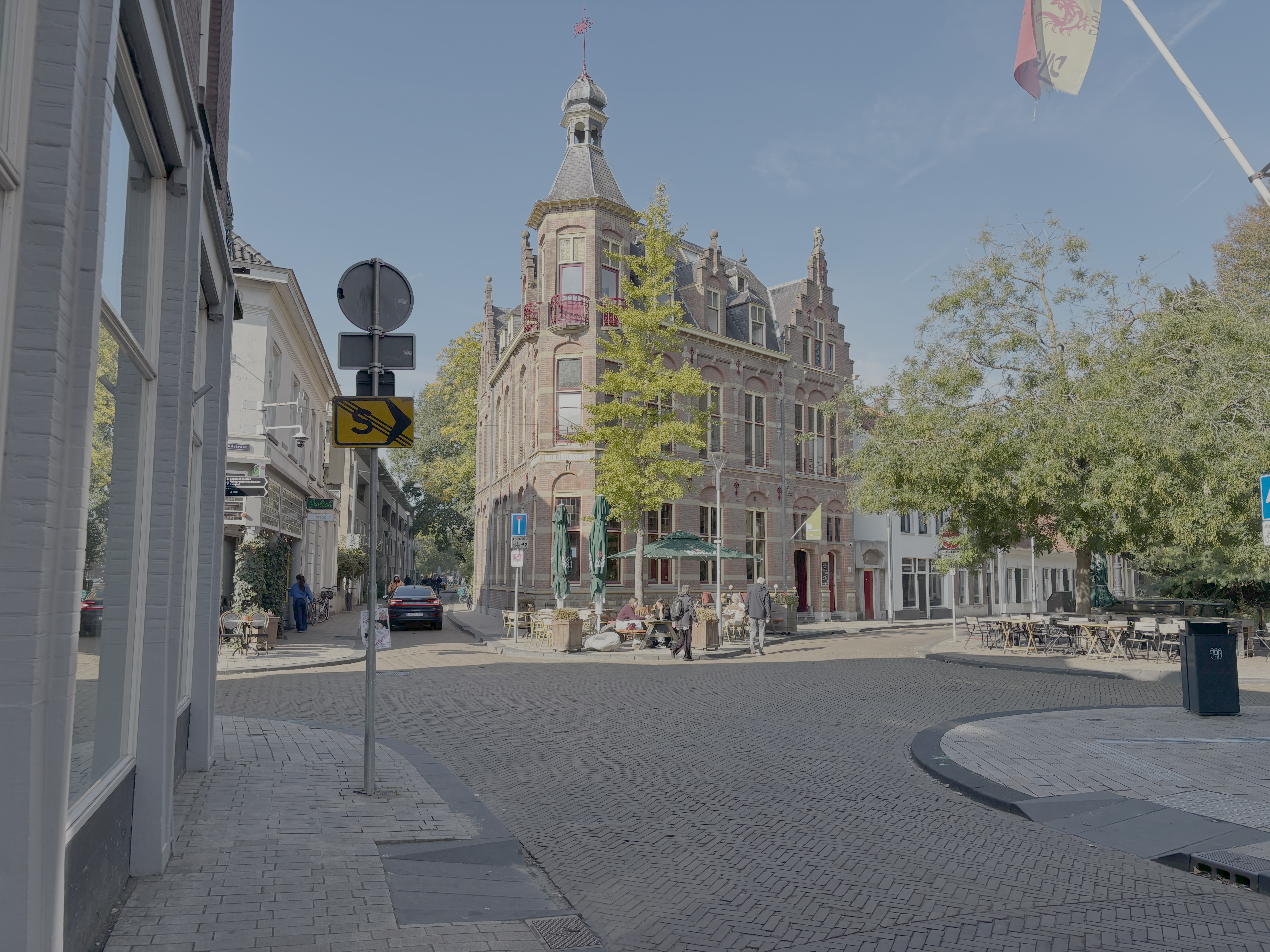 People enjoying their morning at Stadscafé de Spaarbank, located in a monumental building that was built in 1910 and originally served as a savings bank
I am sorry, but the only city I knew in the Netherlands was Amsterdam. I had never heard of Tilburg before my visit, but now I know two cities in the Netherlands! Let me introduce you to the City of Tilburg a little bit.
Tilburg, in the Dutch province of North Brabant, has a rich history. The name “Tilburg” means “hill ridge” in Dutch, likely referring to an early fortified settlement on high ground. It remained a small village until around 1800, then grew into a major industrial centre known for woollen textiles—the “wool city of the Netherlands.” Louis Napoleon granted Tilburg city rights in 1809. Today it’s a vibrant place with a diverse economy—transport, logistics, food processing, printing, manufacturing—and a rich cultural scene with museums, theatres, music venues, and Tilburg University.
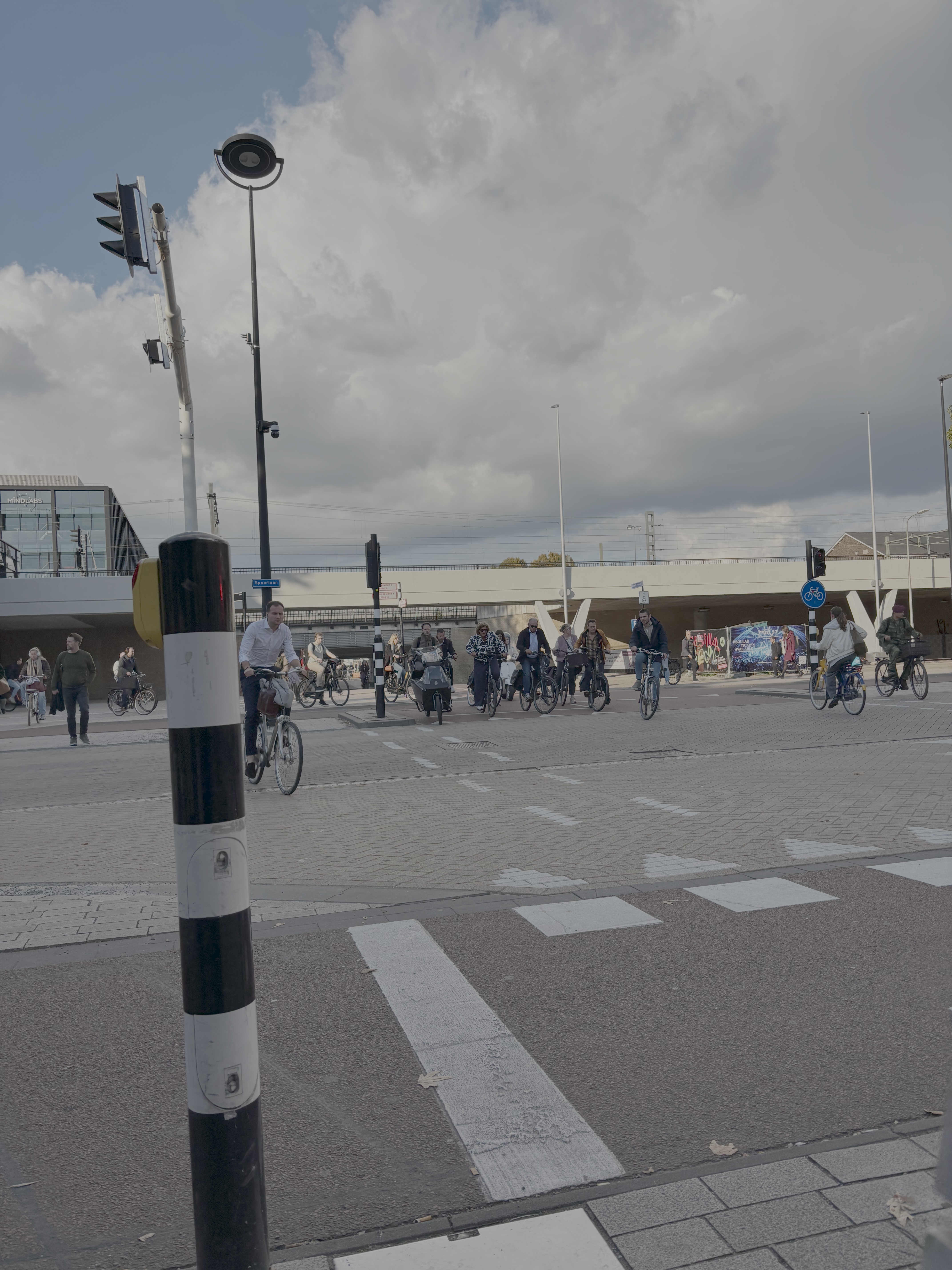 I didn’t expect to see so many people on bikes!
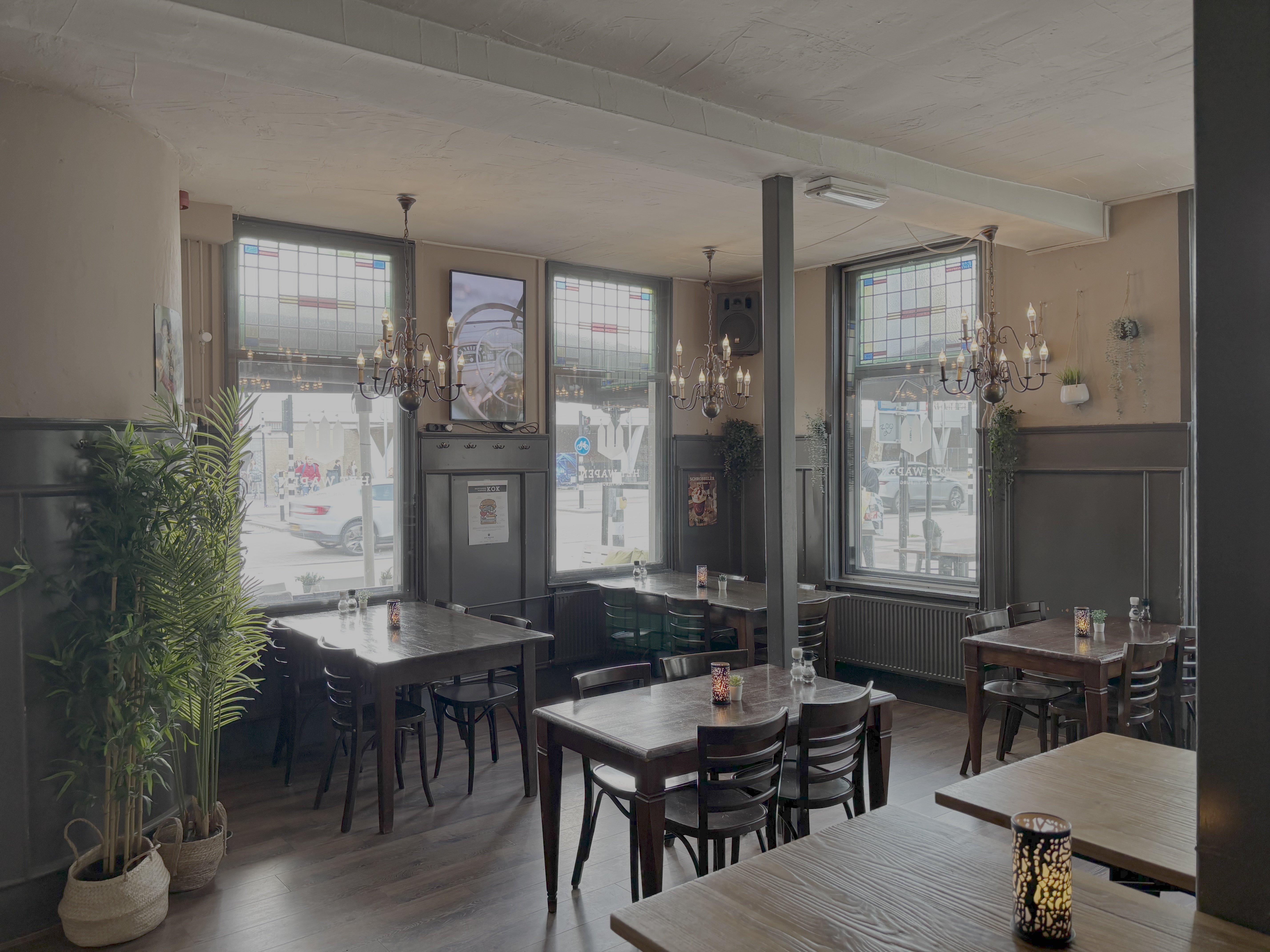 I was staying at Het Wapen van Tilburg, a combined hotel, restaurant, and bar.
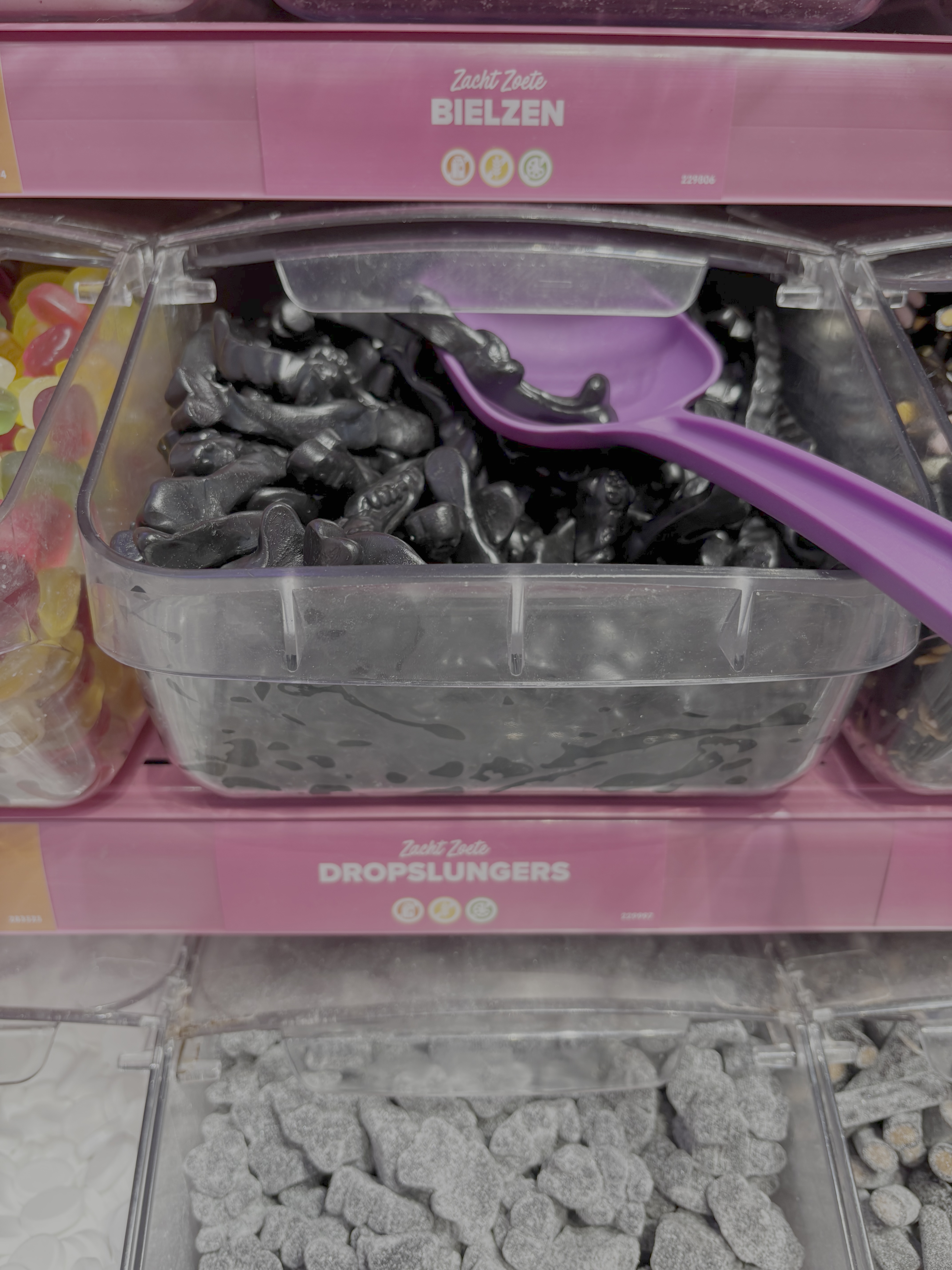 I don’t remember which kind of licorice it was, but I needed something sweet right after!
I immediately fell in love with the city. So gorgeous! The weather was beautiful, which made a great first impression as I stepped off the plane. It was probably a bit cloudy but to me it was shining like a diamond! It was a bit chilly, but the hour-and-a-half drive from Amsterdam to Tilburg felt short. I’m sure it was a long drive for Jonathan! Thanks for driving 3 hours for me!
A Quiet Daytime, A Keiko Evening
My visit was during the week, so Jonathan worked until evening most days, which gave me time to walk around the area where I was staying. Enjoy some pictures. 😁
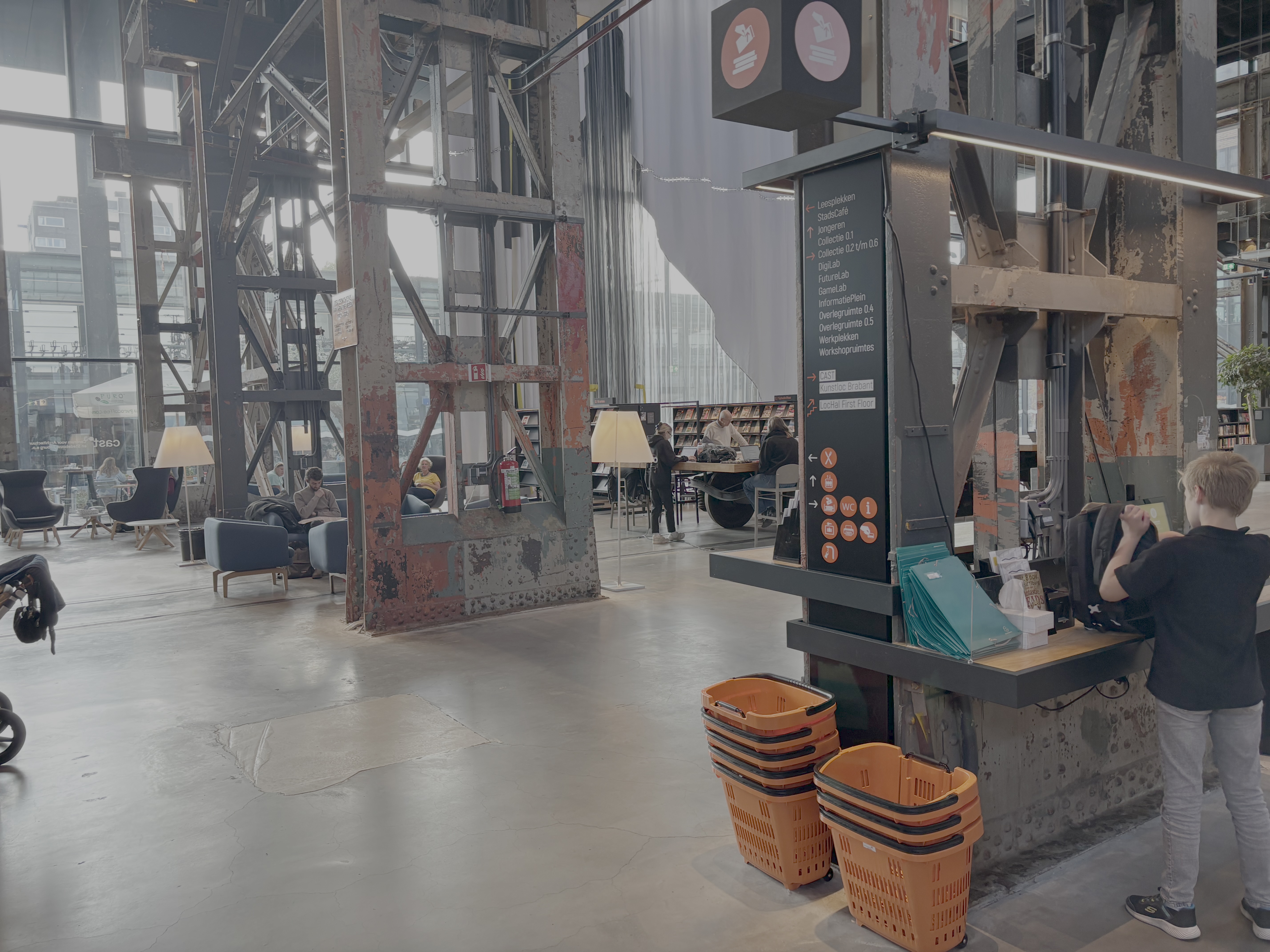 De Bibliotheek LocHal: a former railway station turned into a beautiful library. Huge and clean!
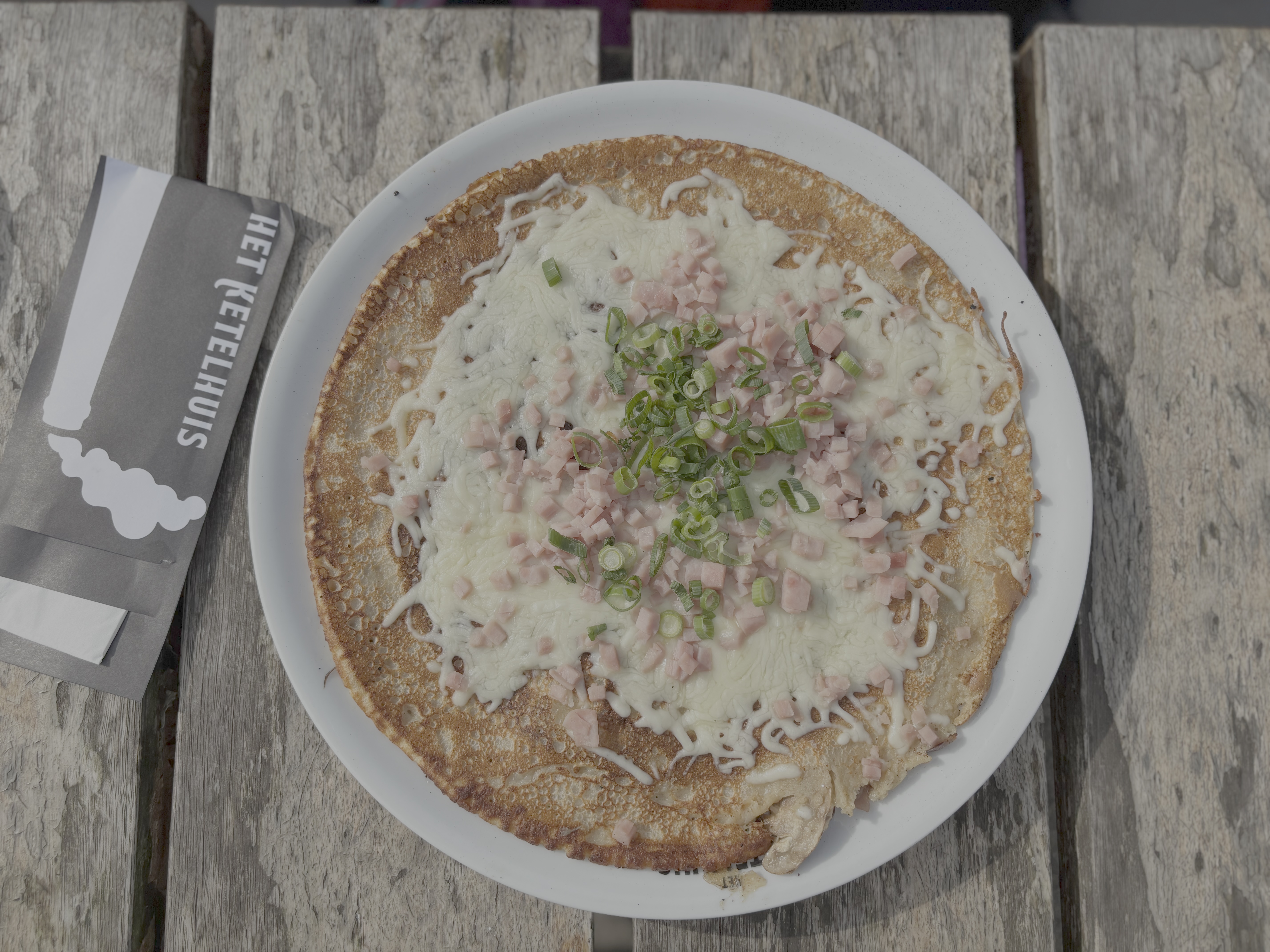 This is the Dutch traditional pancake! I had one with an Indonesian touch.
Jonathan told me there would be a training session the evening I arrived—not his dojo’s regular practice, but a weekly gathering of 4-dan-and-up kendo practitioners from the area to polish their skills. That’s awesome, right? They kindly let me join. Each person worked on what they needed: some focused on basics, others on waza. You just tell motodachi what you want to practise, and motodachi responds accordingly. No one was directing anyone else, and it worked well. I had great jigeiko with everyone—thank you very much!
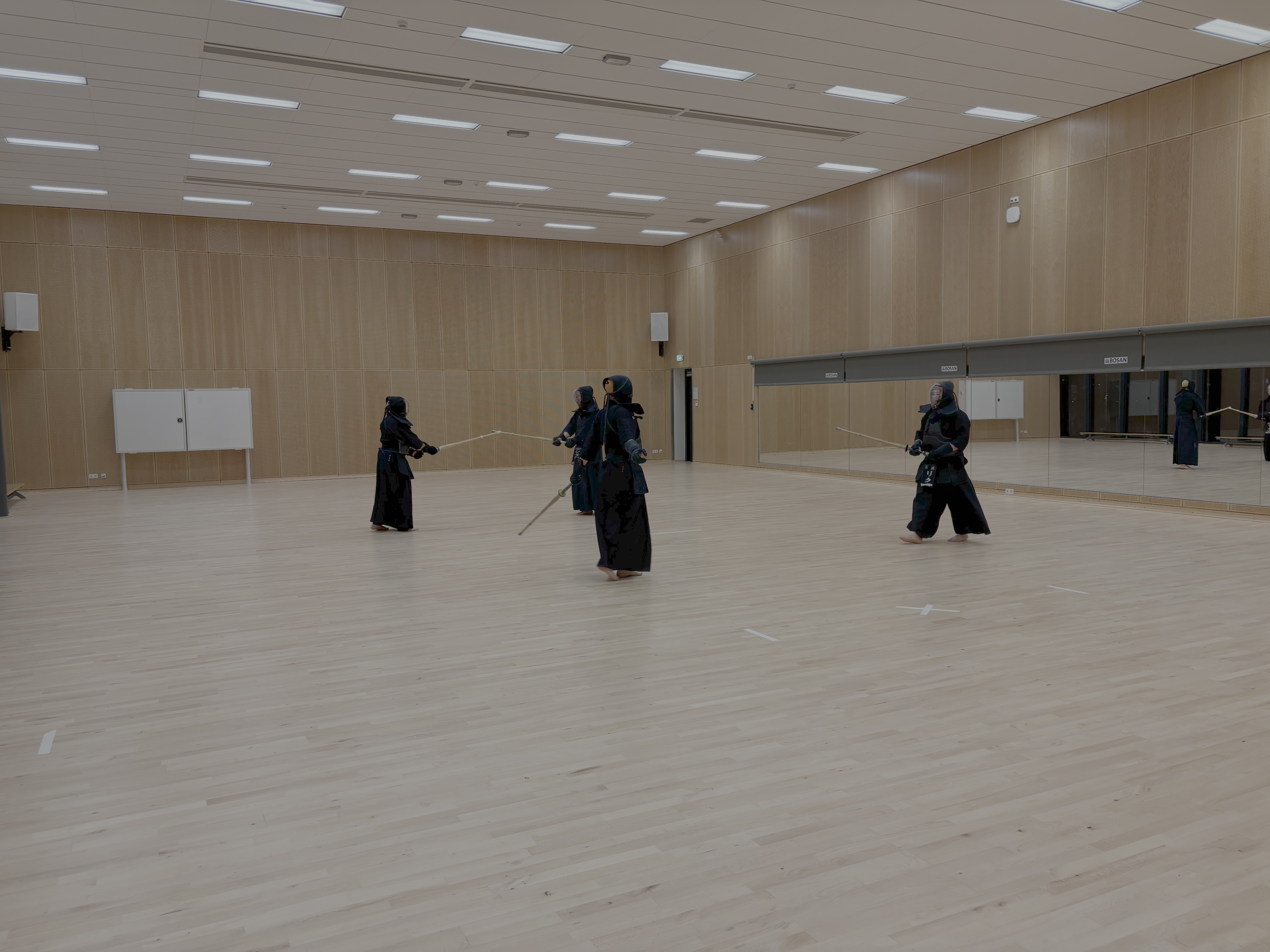 This dojo was so beautiful. I don’t think it was built for kendo, but it was perfect for it!
Two Sessions at Washinkan
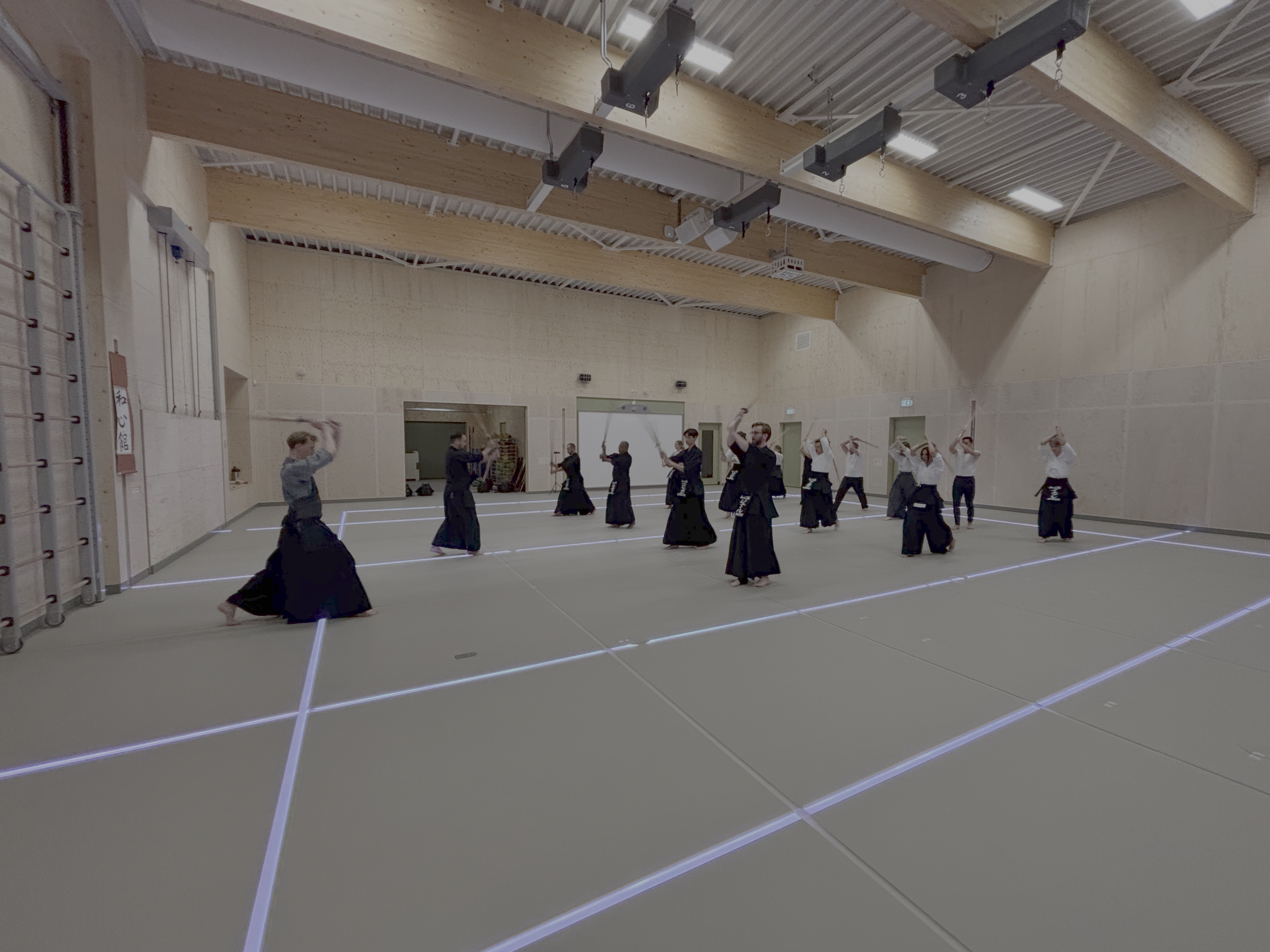 Jonathan leading suburi. Notice that the lines on the floor are light!
I joined Washinkan training twice, one session mainly with adults, and another with many kids. I loved both! It’s always wonderful to work with new people, especially when they’re so eager to learn.
Jonathan is doing a great job teaching both adults and children. As mentioned, he studied kendo at IBU. Whether or not he formally studied pedagogy, I was impressed by his natural ability to teach.
The dojo has a dedicated group of kendo enthusiasts with a strong desire to learn and improve. It’s always a pleasure to teach people who are genuinely eager to refine their skills. Yet, regardless of who their regular instructors are, it’s easy for anyone to become accustomed to a particular teaching style. When an outside instructor steps in, their guidance often sparks a new sense of awareness and motivation.
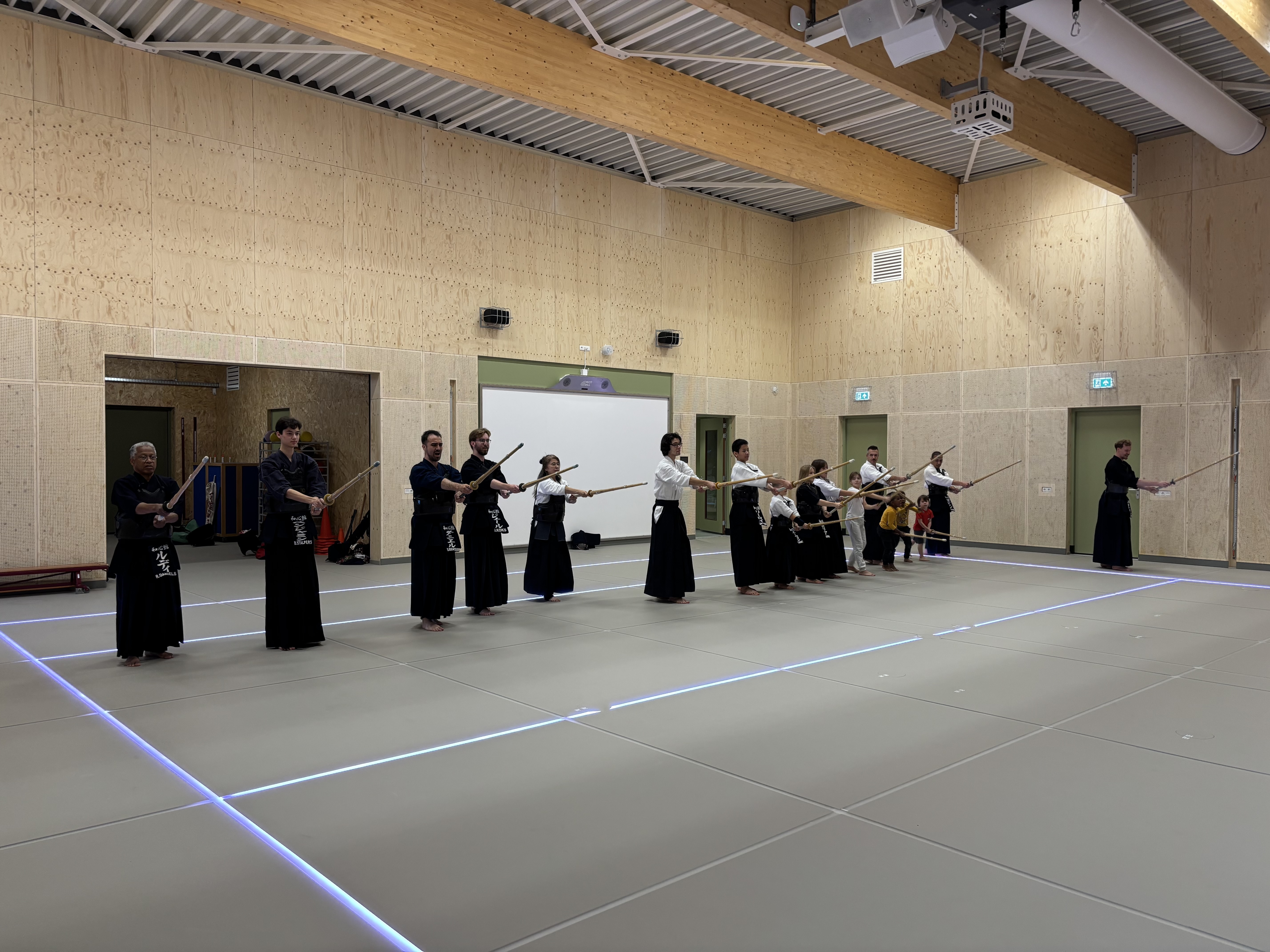 Adults lead by example. That’s how kids learn good kendo!
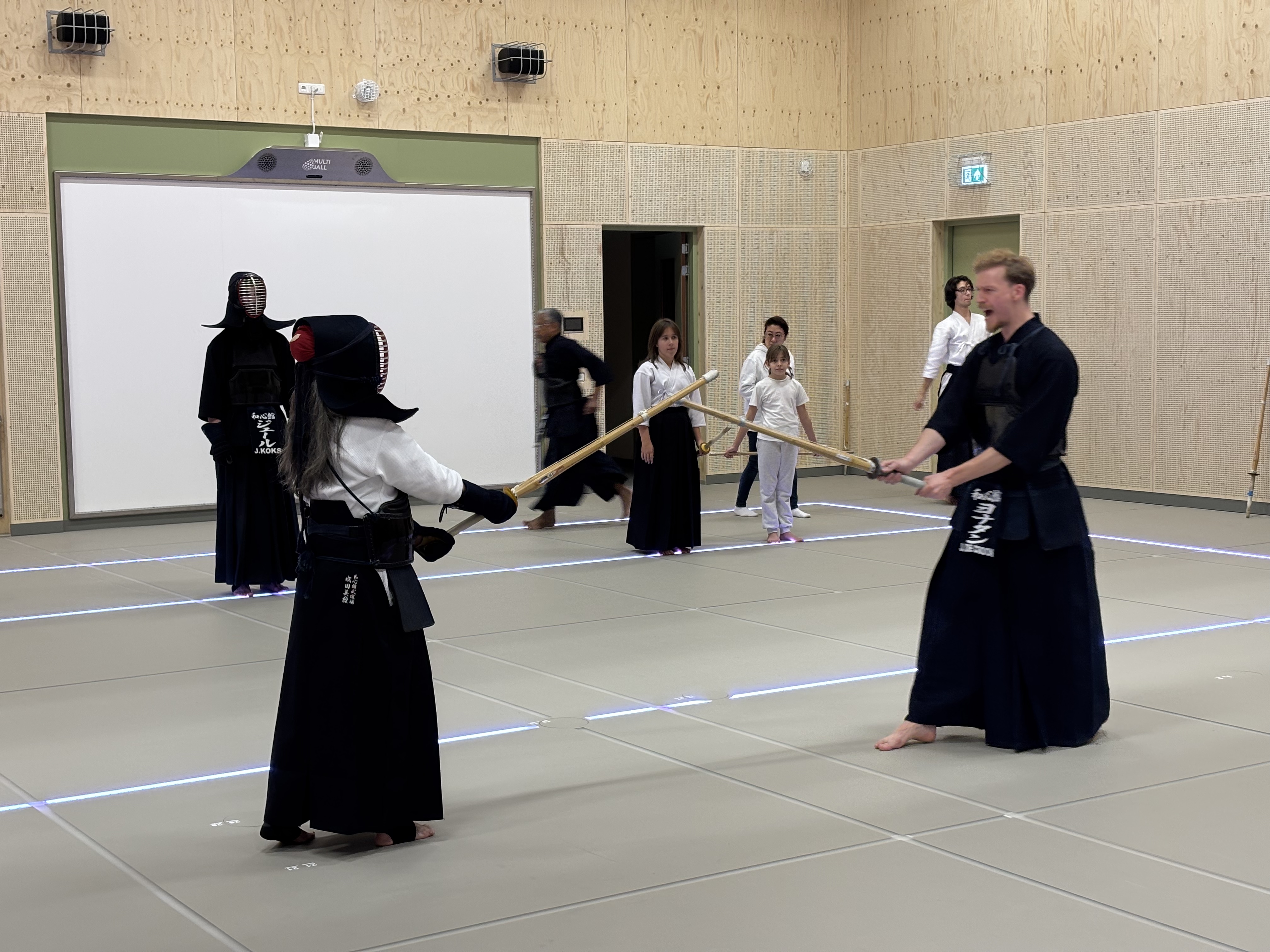 Jonathan showing the kids how it’s done. His passion for teaching lifted the whole class.
This visit showed me that Jonathan had taught them the same things I emphasized. However, because they had grown used to their regular training routines, some of those lessons had naturally faded over time.
Thinking back on my own kendo journey, my main instructors were 9-dan and 8-dan when I was a teenager. But did that automatically make us all strong? Sadly, no. The caliber of the teacher alone doesn’t determine a student’s growth. What truly matters are timely and precise reminders. We need to guide our students, especially those who have been practicing for several years, at the exact moment they need to adjust their technique or mindset. That kind of timely intervention can make all the difference in their progress.
I have strong faith that the Washinkan members will continue to grow under Jonathan’s instruction. Just remember, no matter what you do, every single strike must be an ippon. Execute a loud kiai before, during, and after the strike, make it an ippon, and show zanshin. That is a perfect cut. And be as happy and cheerful as you always are, Washinkan!
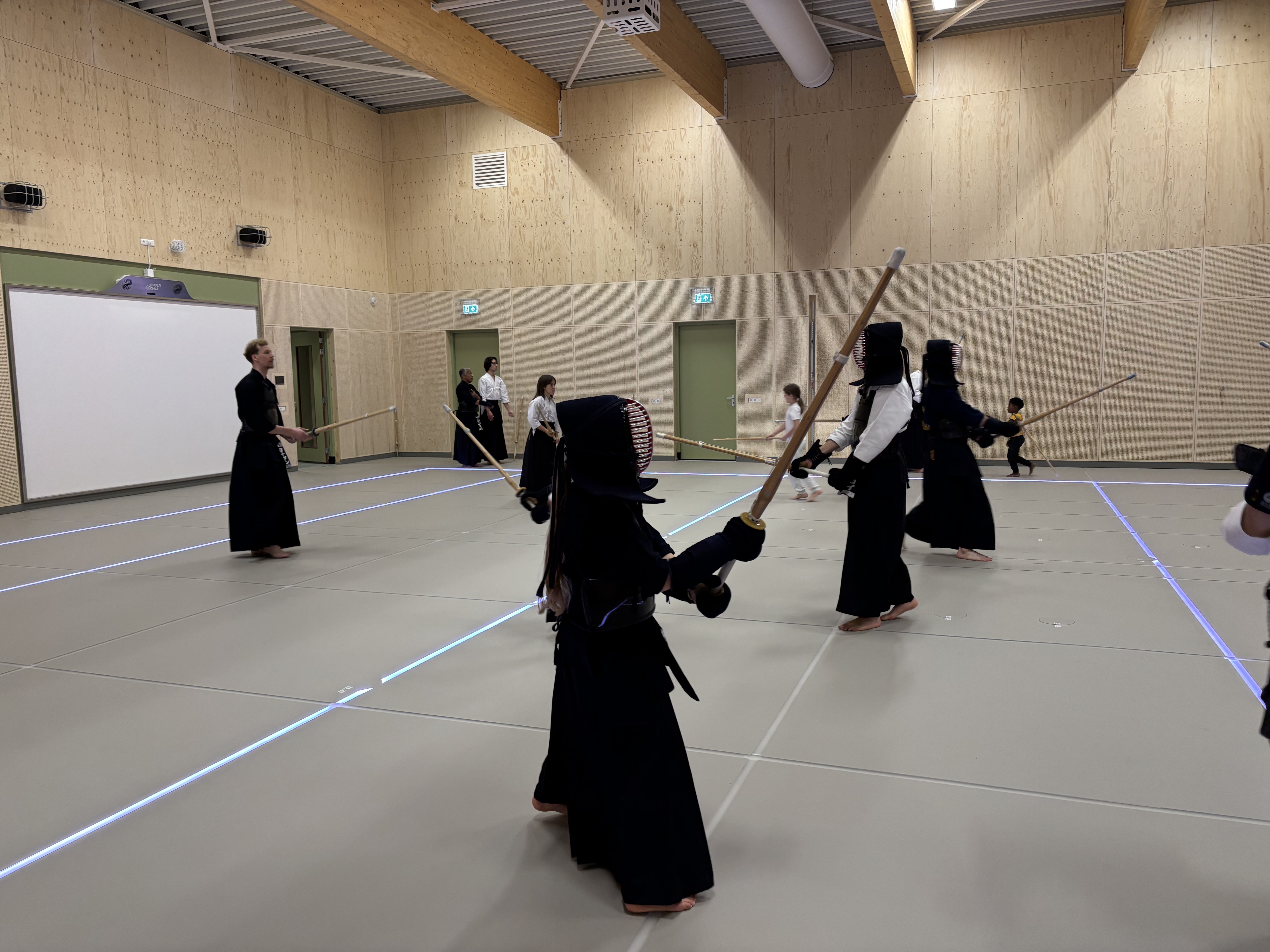 Kids and adults training together — Tilburg Kendo’s future shines bright!
Oh, and let’s not forget about the kids! When the adults were enthusiastic about learning kendo, the children became just as excited. I could really feel their energy. For example, we did some tail chasing, an exercise where you tuck a tenugui into your hakama or pants, and others try to snatch it. Oh man, that’s a tough exercise! If it hadn’t been for the kids, I probably would have excused myself and watched from the side. But with the kids, you have no choice but to join in, and their enthusiasm is contagious. I think that was the most tiring keiko of the trip, yet also one of the most memorable.
Another pleasant surprise was that Jonathan taught mainly in English. When I asked why, he explained that people from several countries train together, and English is their common language. In fact, everyone I spoke with used English. I felt bad that I hadn’t learned even basic Dutch greetings. How rude of me!
I also loved how they gathered together after keiko. We do the same at our dojo, so it felt wonderful to share that second dojo spirit with the Washinkan members. They even brought food, which really hit the spot! Everyone was cheerful and welcoming. Of course, I hope to visit them again soon in the future.
Teaching Outside Japan: Realities and Memories
Outside Japan, it’s common to be among the highest grades in your dojo at 3-dan or 4-dan. Sometimes even shodan is the highest. I know exactly how that feels—I was in charge of beginners when I was 3-dan at Alex Bennett’s dojo, Sei Tou Ken Yu Kai Canterbury Kendo Club. Back then there were no teaching manuals for beginners, no YouTube, and no Blake Bennett’s Kendo Coach. Leading a club with little instructional experience is tough.
A Few Suggestions for Instructors
There wasn’t much to correct for Jonathan, but I shared a few suggestions. He has so much potential. If you’re an instructor who’s busy running every class, this may help you too.
- We all need guidance from higher-grade holders, but most of us aren’t that lucky. When you do get advice, break it into smaller goals you can train at your own dojo.
- Most importantly, it isn’t who you train with but how you train—consistently and intentionally. Every strike should be yūkō-datotsu.
- In suburi, don’t just swing a stick—aim to score an ippon with every cut.
- Check your kirikaeshi and all the basic strikes: are they valid cuts?
- Even in jigeiko with lower-ranked partners, take shodachi (the first strike) cleanly a few times, then switch to helping them work on their kendo.
It’s all about how you train in daily keiko, with clear, specific goals in mind. Not feeling like you’re improving? Feel free to contact me. You never know—I might end up visiting your country in person, just like I did with Jonathan!
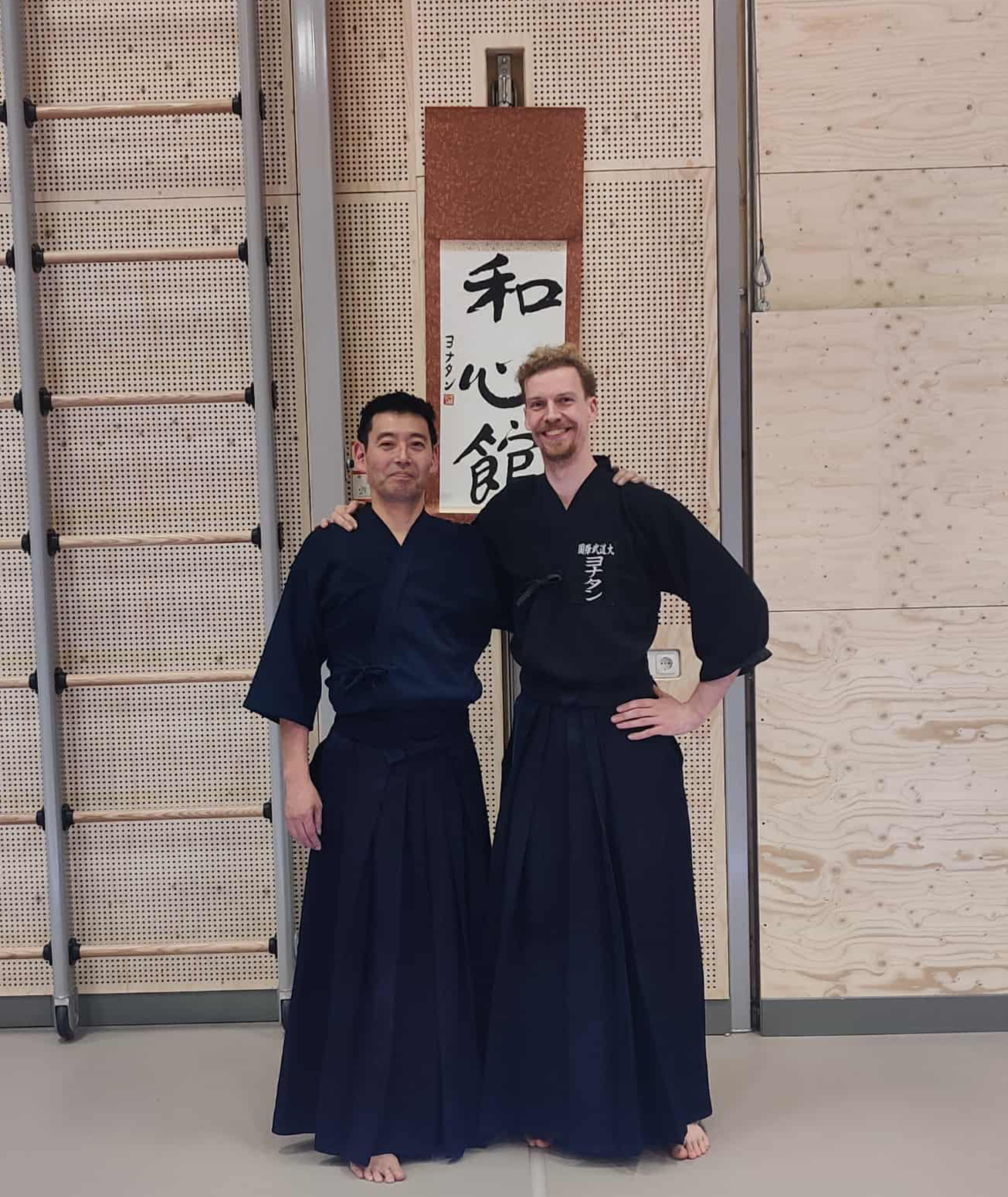 Thank you, Jonathan! A great teacher and a true student of the way. Can’t wait to cross swords again!