You Got It!
What about Tameshigiri?
by Robert
(Melbourne)
Zenhihon Kendo Renmei (ZNKR) has Kendo (fencing) Seitei Iai (drawing the sword) even Jodo (short staff) but no Tameshi-giri (test cutting). Is there an explanation as to why? This would then cover all areas of basic swordsmanship.
I ask as I have just read Naked Blade by Toshishiro Obata dealing with Toyama ryu (military officer sword training), The Happo giri eight basic cuts (angles) and kata form 8 Happon me (test cutting / execution technique). This has now satisfied me as to all the other basic cuts (angles) not found in Kendo or Iai.
Kendo-Guide.Com: Seitei Iai and jōdo forms consist of forms from different kenjutsu schools. This is to integrate different schools with different styles. These forms are used for grading (promotion test) so that judges from different kenjutsu schools can test examinees.
I believe that tameshi-giri is practiced in each kenjutsu school. I used to practice hōki-ryū but unfortunately I just did tameshi-giri one time. I did not have a chance to train in Japan many times so I am not familiar with what kenjutsu schools do in their own dōjō.
However, I know they have their own training methods (including tameshi-giri) and I am sure that they have their own grading system (traditional way).
I do not know about Mr. Obata or his writings well. I just know he studied many different kinds of martial arts and established his own style. So I cannot really comment on what you said here .
However, I am sure that old kenjutsu schools have cuts that seitei iai does not have. Remember, seitei iai consists of many different kinds of styles and also it was initially designed for kendoists (this was to popularize iaido among kendoists).
I personally think it is a good idea to learn iaido and kendo. And also try to do tameshi-giri. That really gives an idea of what really a sword does and also difficult it is to use a sword.
If you are suggesting that All Japan Kendo Federation should promote kendoists to learn iaido, jōdo and tameshi-giri, I agree with that.
I also think that as long as we do kendo in the right manner, we are learning how to use a really sword as well. This is my personal view, I must emphasise.
Click here to read or post comments

About Hiro
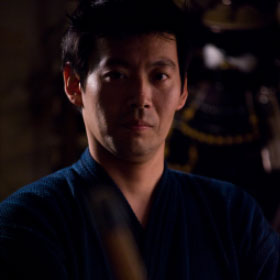
Kendo is fun! Kendo is enjoyable! Adults beginners and late starters of kendo have hard time to understand that. If you are one of them, I want to help you with learning kendo and share the enjoyment and joy of kendo! Click here to know about me and Kendo-Guide.Com.
Search Your Topic
Newsletter
Would you like to subscribe to the Kendo-Guide.Com Newsletter to receive updates and exclusive videos only available for subscribers and patrons. Click here to find out more about the newsletter or click the orange button below to subscribe right now.
Privacy Policy | Disclaimer and Terms of Use | COMPENSATION AND AFFILIATION AFFIDAVIT | Contact.